How to know when it is time for assisted living
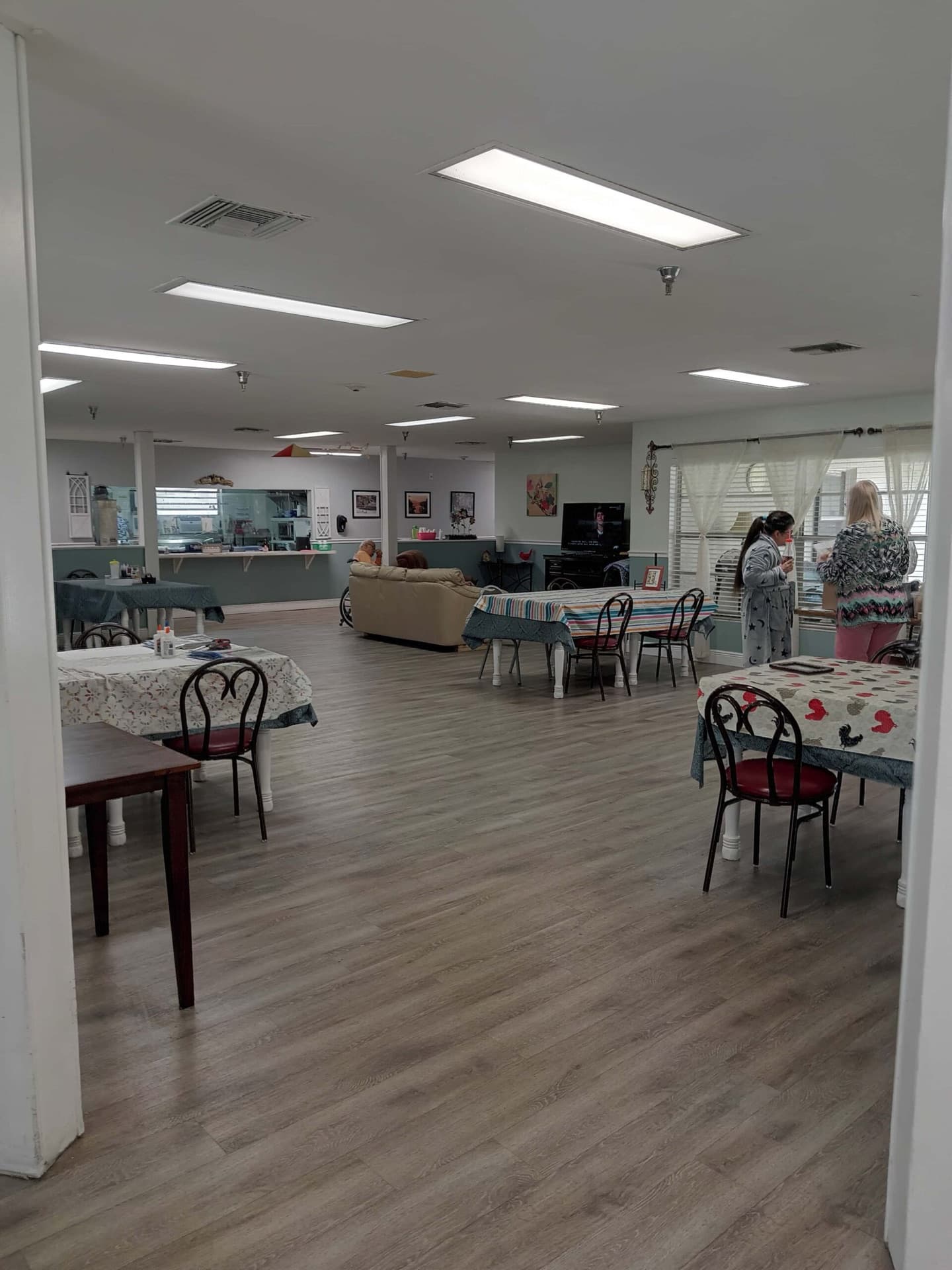
Most families do not decide all at once. It happens over a string of small moments: a missed medication, a fall that nobody saw, a fridge with nothing fresh in it. If you have started counting those moments, you are already asking the right question.
Here is what families in Citrus County tend to notice first, and how to talk about it before it turns into a crisis.
The signs that show up first
You rarely get one dramatic event. You get a pattern. The ones families mention to us most often:
- Medications are slipping. Pills left in the organizer, doubled up, or skipped. This is the single most common reason a doctor suggests more support.
- Meals have gotten thin. The same easy food on repeat, weight coming off, or the stove left on. The kitchen tells you a lot.
- The house is getting away from them. Mail piling up, bills unpaid, laundry undone, a parent who used to be tidy letting things go.
- A fall, or a near one. Bruises they cannot explain, or a new habit of holding the furniture to get across a room.
- They are alone most of the time. A spouse has passed, friends have moved or stopped driving, and days go by with no real conversation.
One of these on its own may just be a rough week. Three or four together, month after month, is usually the body telling you it needs more than family can give from a distance.
When it is memory, not just mobility
If the worry is confusion rather than physical frailty, the signs look different: repeating questions, getting lost on familiar drives, trouble with names and dates, or money mistakes that are out of character. That points toward memory care rather than standard assisted living. Both of our communities offer both, so a family does not have to guess perfectly on day one. We talk through where a parent actually fits during the tour.
How to raise it without a fight
The conversation goes better when it is about them, not about you.
- Lead with what you have seen, gently and specifically. "I noticed the pills from Tuesday are still in the box" lands better than "you cannot manage."
- Frame it as keeping their independence, not taking it. Most people will accept help that lets them stay active longer.
- Bring them into the choice. Visiting a community in person, walking the halls, meeting the person who runs it, makes the idea concrete instead of frightening.
- Give it more than one conversation. The first talk plants the seed. The decision usually comes weeks later.
The cost of waiting too long
The hardest moves are the ones made from a hospital bed after a fall, on a weekend, with 48 hours to find a bed. When you start looking while your parent is still steady, you get to choose calmly, tour without pressure, and let them settle in on their own terms. That is the whole argument for looking early.
If you are at the counting stage, the most useful thing you can do is visit. You can call the administrator at either community directly, ask the blunt questions, and see for yourself whether it feels right. No pressure, no script.
Written by Cameron Hernando Clark, Director of Marketing at The Manors of Citrus. To talk through your own situation, call Sugarmill Manor in Homosassa at (352) 382-2531 or The Gardens of Crystal River at (352) 794-7601, or schedule a tour.
Find the right fit for your family.
Schedule a tour or call a community directly. We answer in person during the day and call within an hour to confirm a tour.